

IMPACT Oncology delivers de-risked clinical development.turns protocol review from quarters into weeks.puts practising oncologists inside your program.
A proprietary framework built only for oncology, run by three practising oncologists who lead the trials, validate every output, and execute alongside your team.
Integrated clinical, regulatory, and analytic expertise — in a single engagement.
Clinical & Regulatory Strategy
Senior clinical, medical, and regulatory strategy from IND-enabling studies through approval.
Active Investigator Oversight
Practising key opinion leaders and principal investigators who sit on global trial steering committees.
Protocol & Enrolment Analytics
Proprietary AI for protocol scanning, risk detection, and competitive enrolment intelligence.
Because active oncologists and regulatory strategists work directly alongside trial data analysts, protocol review moves in weeks instead of quarters.
A framework built only for oncology.
A custom-made, oncology-specific framework: CMR consulting built for this therapy area alone, practising oncologists embedded in the work, and proprietary AI from Atheris Intelligence. Reviews land in a fraction of typical CRO turnaround because the oncologists validating them are inside the team, not queued outside it — speed and rigour are the same mechanism here, not a trade-off.
Speed without compromise
Protocol reviews returned in a fraction of typical CRO turnaround, clinically defensible and built to enrol, because the oncologists are embedded rather than queued.
Protocols that survive regulatory contact
Aligned to current FDA and global expectations before you submit, so holds, questions, and costly amendment cycles never start.
Evidence that earns the label
Trials designed up front to generate what labelling, market access, and long-term positioning will ask for later.
The challenge with oncology clinical development.
Leading clinical trial investigators, embedded in your program.
IMPACT Oncology applies the full Integrated Impact Model to the complexities of oncology, a therapeutic area where no two programs are the same, and where scientific, regulatory, and commercial decisions are deeply interconnected at every stage of development. It is powered by three embedded practising oncologists who lead clinical trials, co-develop the tools, validate the outputs, and execute the work alongside our consultants.
Key opinion leaders and principal investigators who sit on steering committees, shape protocols, and carry trials from first concept through to delivery in real world practice, across North America and Asia Pacific.
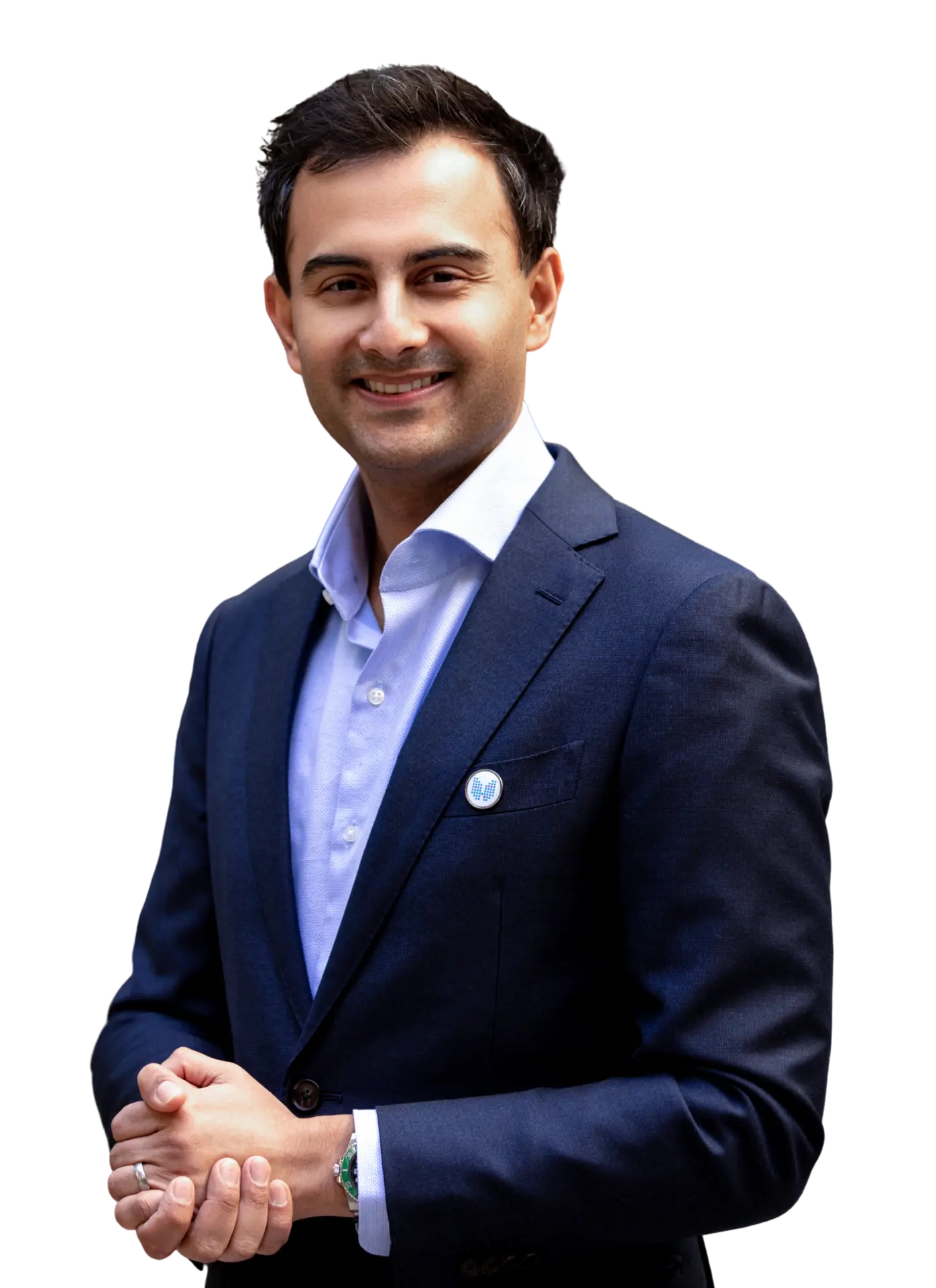
Dr. Vishal Navani, MA (Oxon), MBBS (Lon), MRCP (UK), FRACP
Academic focus on early phase drug development across solid tumours, novel immunotherapeutic & ADC based mechanisms of action & real world evidence initiatives.
Dr. Vishal Navani leads Calgary’s thoracic oncology clinical trials program and early-phase drug development unit, with a focus on translating innovative science into impactful cancer care. He has served as Principal Investigator on dozens of clinical trials across phases I to III, and sits on several national and international trial steering committees.
As Director of Glans-Look Research, he oversees North America’s largest real-world evidence (RWE) database in thoracic malignancies, advancing precision oncology and population-level insights. His research has attracted over $1.5 million in competitive grant funding, including a recent award from the Terry Fox Marathon of Hope Cancer Centres Network for his work in data science and patient reported outcomes.
Dr. Navani is also a recognized thought leader in clinical evidence generation, contributing as a clinical expert to the Canadian Drug Agency (CDA) in support of national drug reimbursement and policy deliberations. In parallel, he collaborates closely with the life sciences sector, providing strategic guidance on clinical development, trial design, and real-world evidence integration. His academic work has been published in leading journals including the Journal of Clinical Oncology, JAMA Oncology, and The Lancet Oncology.
He holds an MA (Honours) from Oxford and an MBBS from Imperial College London, and is board certified in Canada, Australia, and the UK.
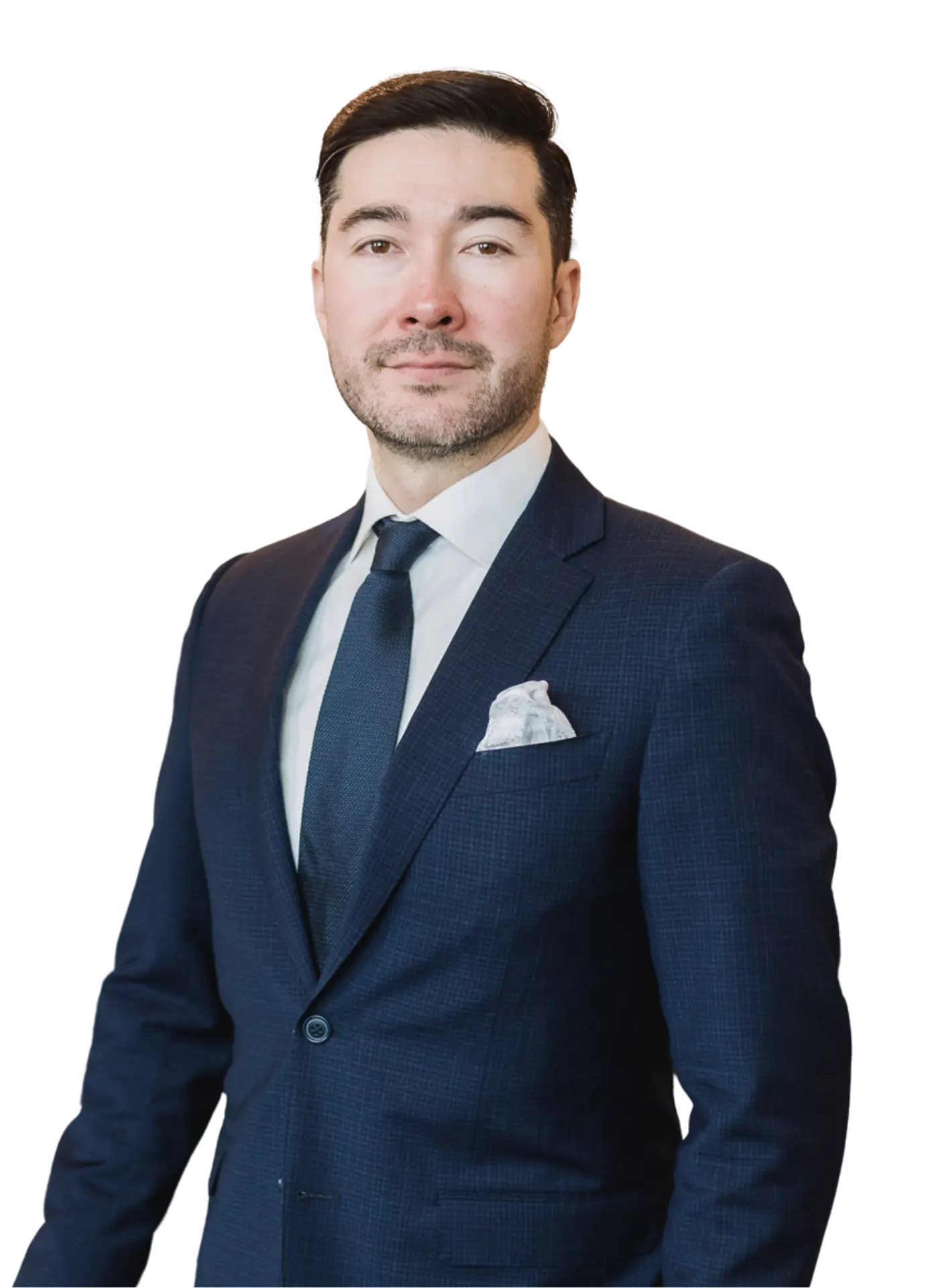
Dr. Steven Yip, MD, MSc
Academic focus on precision oncology, translational research, PSMA PET/CT imaging, and novel radiopharmaceutical and theranostic drug development.
Dr. Steven Yip is a staff medical oncologist at the Arthur J.E. Child Comprehensive Cancer Centre and Medical Lead of Precision Oncology and Experimental Therapeutics (POET), the Calgary programme that matches patients with advanced cancer to molecular profiling and experimental therapy. He chairs the Southern Alberta Genitourinary Tumour Group and serves as southern Alberta co-chair of the Alberta Prostate Cancer Research Initiative (APCaRI).
Under his medical oncology leadership, POET has connected more than 1,000 patients with advanced cancers to molecular testing, opening access to targeted and trial-based treatment that would otherwise sit out of reach. He has extended that access deliberately beyond the tertiary centre, helping establish Alberta’s first telehealth cancer clinic in 2019 for patients living far from a cancer centre, with a sustained focus on rural, remote, and Indigenous communities. He was named to Avenue Calgary’s Top 40 Under 40 in 2023 for this work.
His academic focus is translational research, PSMA PET/CT imaging, and novel radiopharmaceutical and theranostic drug development in advanced prostate cancer, work that sits where diagnostic imaging, biomarker selection, and drug development decisions converge. He collaborates with the life sciences sector on molecular eligibility, trial feasibility, and the design of precision oncology programmes.
He received his MD from the University of Alberta, trained in internal medicine and medical oncology at the University of British Columbia and the University of Calgary, and completed a genitourinary medical oncology clinical and translational research fellowship under Dr. Kim Chi at BC Cancer. He holds an MSc in Health Research Methodology from McMaster University and is a Clinical Assistant Professor in the Department of Oncology, Cumming School of Medicine, University of Calgary.
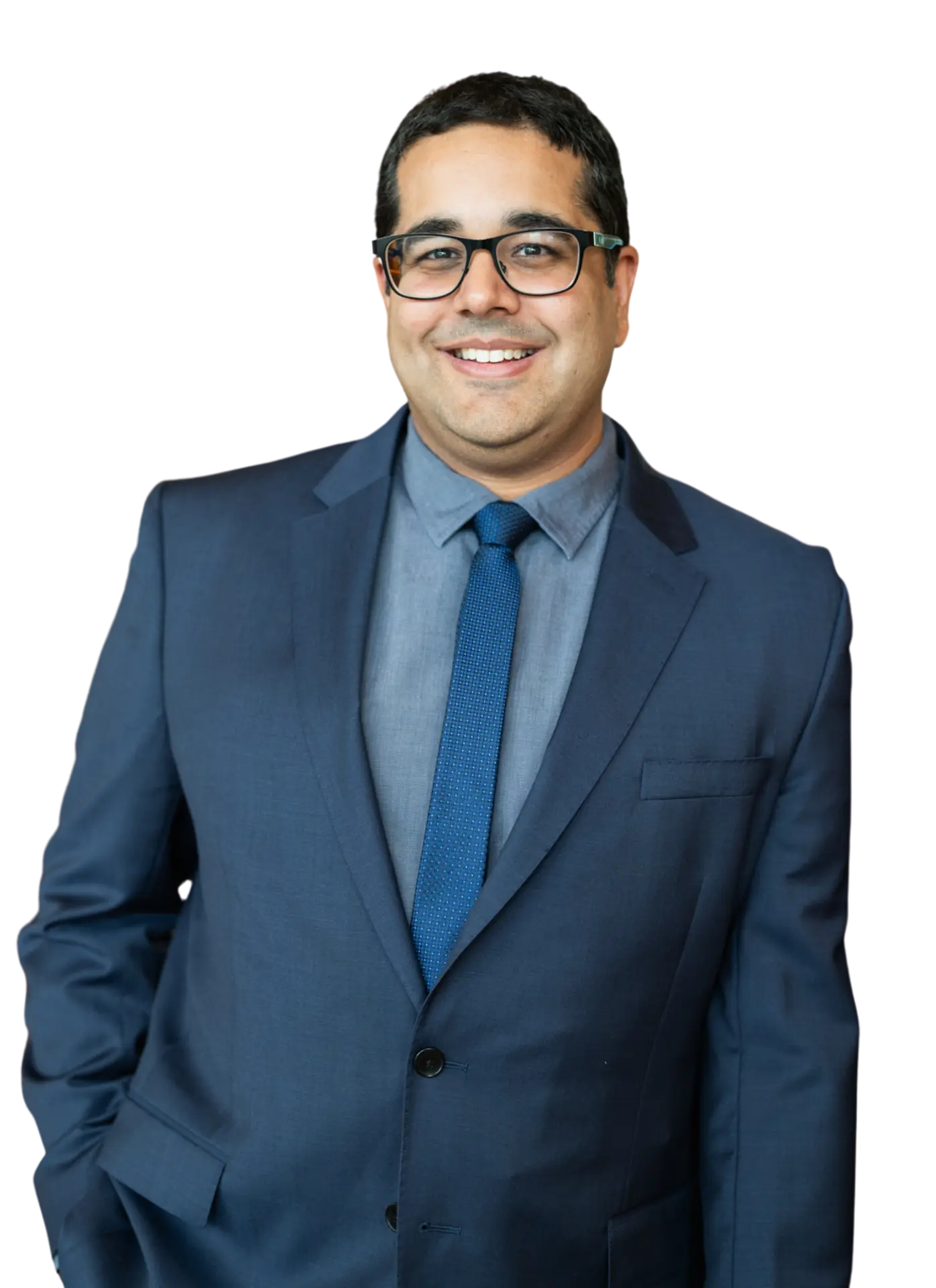
Dr. Omar Khan, MD, MBA, FRCPC
Breast cancer and sarcoma, informing protocol design and therapeutic strategy.
Dr. Omar Khan is a staff medical oncologist at the Arthur J.E. Child Comprehensive Cancer Centre and a Clinical Assistant Professor at the Cumming School of Medicine, University of Calgary. His clinical practice covers the breast cancer and sarcoma tumour groups, and he is active in the clinical trials programme across both.
His research applies artificial intelligence to clinical cancer care, with a particular focus on imaging biomarkers that predict prognosis across lung, prostate, breast, colorectal, and hepatocellular carcinoma. He is a co-investigator on an Alberta Cancer Foundation funded project defining the tumour and immune cell architecture of undifferentiated pleomorphic sarcoma, and has presented industry-collaborative work on imaging-based prognostic modelling at ESMO 2024.
He holds an executive MBA alongside his clinical training, which shapes how he approaches health system questions: neoadjuvant therapy utilisation across Alberta, machine learning models of treatment response, and the operational realities of delivering new therapy inside a public cancer system. As chief medical resident he represented more than 90 resident physicians and led development of a three-year integrated curriculum for internal medicine training. He received the Novartis Oncology Young Canadian Investigator Award in 2017 and a Young Oncologist Merit Award from the European Society for Medical Oncology in 2018.
He completed his MD at the University of Calgary in 2013, followed by internal medicine and medical oncology residency training there from 2013 to 2018, a fellowship in breast cancer and health administration from 2018 to 2019, and an executive MBA at the Ivey Business School, University of Western Ontario, in 2020. He is a Fellow of the Royal College of Physicians of Canada.
Integrated execution in practice.
Decades of consulting experience spanning clinical development, medical affairs, and regulatory strategy. End-to-end strategic planning from IND-enabling studies through approval, with flexible fractional leadership embedded on demand.
Practising key opinion leaders and principal investigators, exclusively focused on your target therapy area. Clinical trialists with steering committee and consultancy experience spanning oncology drug development across all major tumour streams, with reach across North America and Asia Pacific.
Advanced analytics and proprietary AI applied across protocol development, trial execution, and data analysis, including rapid protocol scanning, risk detection, and competitive enrolment intelligence, on enterprise-grade infrastructure. Grounded and guided by a multidisciplinary team experienced in successful clinical trial design and launch.
Why Atheris IMPACT Oncology.
- Comprehensive and custom-made. Every engagement is built around the individual sponsor, the stage of development, and the intellectual property at stake, so the work targets the specific risks in your program rather than applying a template.
- Oncology-specific, built around the complexities of a therapeutic area where no two programs are the same.
- Speed without compromise. Reviews completed in a fraction of the time a typical CRO would need.
- Strategic and proactive. Engage us at the start for comprehensive planning, or call us in to solve a specific problem.
Read the whitepaper: The State of Oncology Trial Design
Where protocols fail, and why the fix is human. Our full methodology paper on amendment risk, endpoint fragility, and expert-led design pressure-testing.
Read the whitepaperDifferent therapy area? We work across rare and chronic diseases.
The network’s CMR capability covers the full breadth of rare and chronic diseases across every stage of the lifecycle. Whether your program is oncology or any other therapeutic area, we can help.
Get in touch